Adapting the Workforce: Training for Automation in Modern Manufacturing
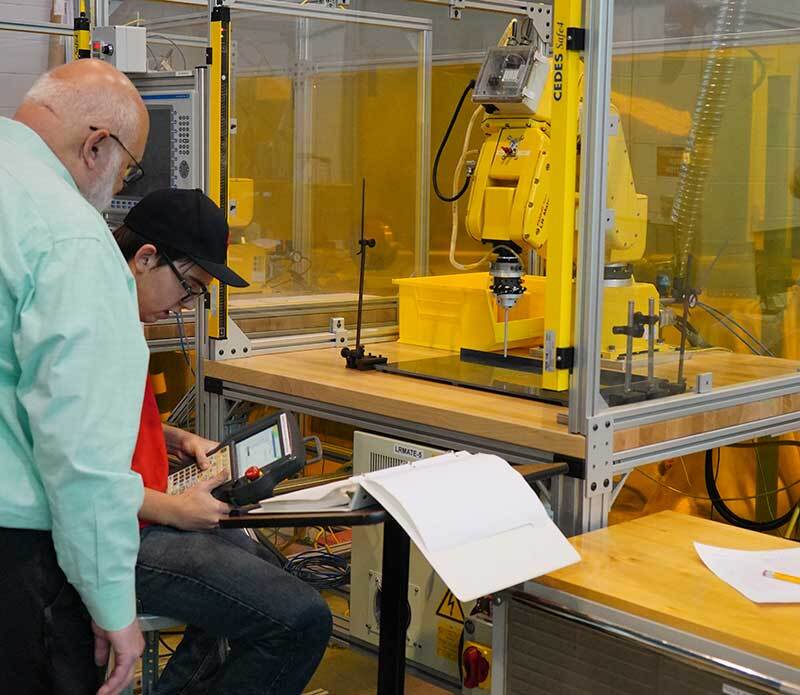 In today’s rapidly evolving manufacturing landscape, the integration of automation technologies is reshaping operations and redefining workforce roles. As automation becomes increasingly prevalent, the need for effective workforce training and adaptation has never been more critical. This blog explores the significance of equipping employees with the necessary skills to thrive alongside advanced technologies, the challenges and opportunities that arise, and actionable strategies for organizations aiming to optimize their workforce in the age of automation.
The Imperative of Workforce Training in the Age of Automation
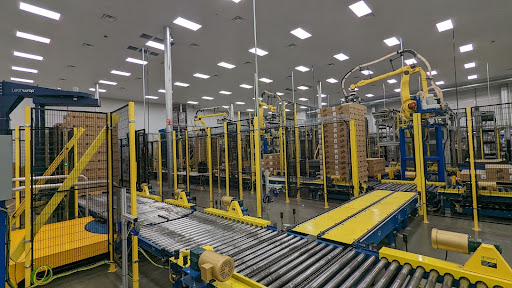
Automation encompasses technologies such as robotics, artificial intelligence (AI), and machine learning, designed to perform tasks with minimal human intervention. While automation enhances productivity and efficiency, it also necessitates a workforce capable of collaborating with these technologies. Investing in employee training ensures a competent workforce comfortable with new technologies, enabling them to engage in creative problem-solving, develop new skills, and contribute to continuous improvement initiatives.
Challenges and Opportunities Presented by Automation
Challenges:
- Skill Gaps: The introduction of automation can render certain skills obsolete, creating a gap that needs to be addressed through retraining and upskilling.
- Employee Resistance: Fear of job displacement may lead to resistance against adopting new technologies.
- Resource Allocation: Implementing comprehensive training programs requires time and financial investment.
Opportunities:
- Enhanced Productivity: Automation allows employees to focus on complex and meaningful tasks, boosting overall productivity.
- Career Development: Training programs offer employees avenues for career growth and skill diversification.
- Innovation: A technologically adept workforce can drive innovation and improve decision-making processes.
Successful Training Initiatives Enhancing Workforce Capabilities
Several organizations have implemented effective training programs to facilitate workforce adaptation to automation:
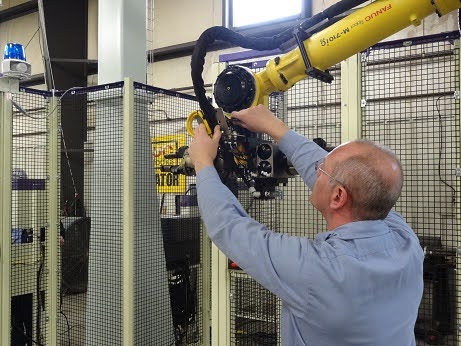
- Regular Workshops and Training Sessions: Conducting workshops helps employees stay updated with the latest technologies and best practices.
- Access to Online Resources: Providing online courses encourages self-directed learning, allowing employees to learn at their own pace.
- Collaborative Learning Environments: Fostering a culture of collaboration enables employees to share knowledge and support each other’s growth.
Actionable Recommendations for Organizations
To effectively navigate the integration of automation, organizations should consider the following strategies:
- Invest in Continuous Learning: Establish ongoing training programs that evolve with technological advancements.
- Promote a Growth Mindset: Encourage employees to view technological changes as opportunities for development rather than threats.
- Foster Human-Machine Collaboration: Design workflows that leverage the strengths of both humans and machines, enhancing overall efficiency
- Engage in Public-Private Partnerships: Collaborate with educational institutions and government bodies to develop training programs aligned with industry needs.
- Implement Change Management Strategies: Develop plans to manage the transition, addressing employee concerns and ensuring smooth integration of new technologies.
Conclusion
The convergence of automation and workforce efficiency presents both challenges and opportunities for modern manufacturing. By investing in comprehensive training programs and fostering a culture of continuous learning, organizations can empower their employees to adapt and thrive alongside emerging technologies. Embracing automation as a tool for enhancement rather than a threat can lead to a harmonious and productive manufacturing environment where human ingenuity and technological innovation coexist seamlessly.