5 Questions to Ask Any Robotic Integrator Before You Sign
Key Takeaways
- The success of an automation project depends as much on the integrator as it does on the robot itself.
- Experienced integrators ask detailed questions about your existing equipment before recommending a solution.
- A realistic implementation plan should minimize production disruption while acknowledging potential risks.
- Long-term support, training, and service are just as important as the initial installation.
- Customer references from facilities similar to yours provide valuable insight into what working with an integrator is really like.
- The best integrators talk honestly about project risks and explain how they plan to manage them.
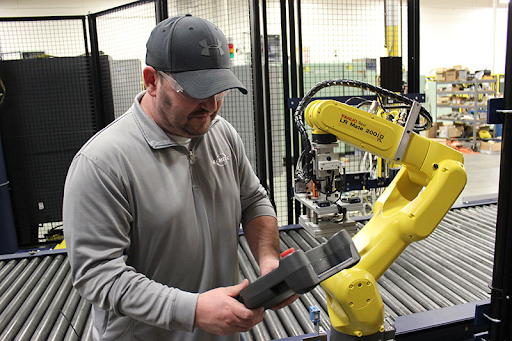 Industrial robotics have become more accessible than ever, but choosing the right integration partner remains one of the most important decisions an engineering manager can make.
If you’re evaluating robotic integrators for the first time, or you’ve been disappointed by a previous automation project, it’s easy to become overwhelmed. Most proposals look impressive. Most presentations feature recognizable robot brands, polished simulations, and promises of increased productivity.
The challenge is determining which company will actually deliver what they promise.
The questions you ask during the evaluation process often reveal far more than the proposal itself. More importantly, the quality of the answers can help you distinguish between an experienced manufacturing partner and a company that’s simply trying to close a sale.
Here are five questions every manufacturing team should ask before signing an automation contract, along with what trustworthy answers typically sound like.
1. “How will this system integrate with our existing equipment?”
Few manufacturing facilities are starting with a blank slate. Most production lines have evolved over many years and include a combination of:
- Legacy PLCs
- Existing conveyors
- Older HMIs
- Equipment from multiple OEMs
- Custom modifications made to solve unique production challenges
A good robotic integrator understands this immediately. Instead of assuming equipment should be replaced, they begin by understanding what already works.
Strong answers often sound like this:
- “We’ll start with a detailed assessment of your production line before recommending any solution.”
- “We’ll review your controls architecture, communication protocols, available floor space, and upstream and downstream equipment.”
- “If we identify compatibility concerns, we’ll discuss them before finalizing the system design.”
Be cautious of broad statements such as, “Our standard system works with everything.”
Experienced engineers know there is rarely a universal automation solution. Every successful integration starts with understanding the realities of the existing production environment.
2. “How much production downtime should we realistically expect?”
No automation project is completely disruption-free. The difference is whether that disruption has been carefully planned.
A seasoned integrator should explain exactly how they intend to reduce production interruptions through careful project management, including:
- Factory Acceptance Testing before equipment ships
- Installation sequencing
- Weekend or scheduled shutdown work
- Site Acceptance Testing before production starts
- Startup and commissioning schedules
- Contingency plans if unexpected issues arise
An honest answer also acknowledges that unforeseen challenges sometimes occur during installation, and are simply the reality of working in active manufacturing facilities.
Be skeptical of phrases like:
- “Zero downtime with installation and start up.”
- “Completely seamless implementation.”
- “It’s basically plug-and-play.”
Good integrators reduce disruption through preparation. They don’t pretend it doesn’t exist.
3. “Who supports the system after commissioning?”
Many automation projects succeed during installation but struggle months later because ongoing support wasn’t clearly defined.
Before selecting an integrator, ask questions such as:
- Who will answer support calls?
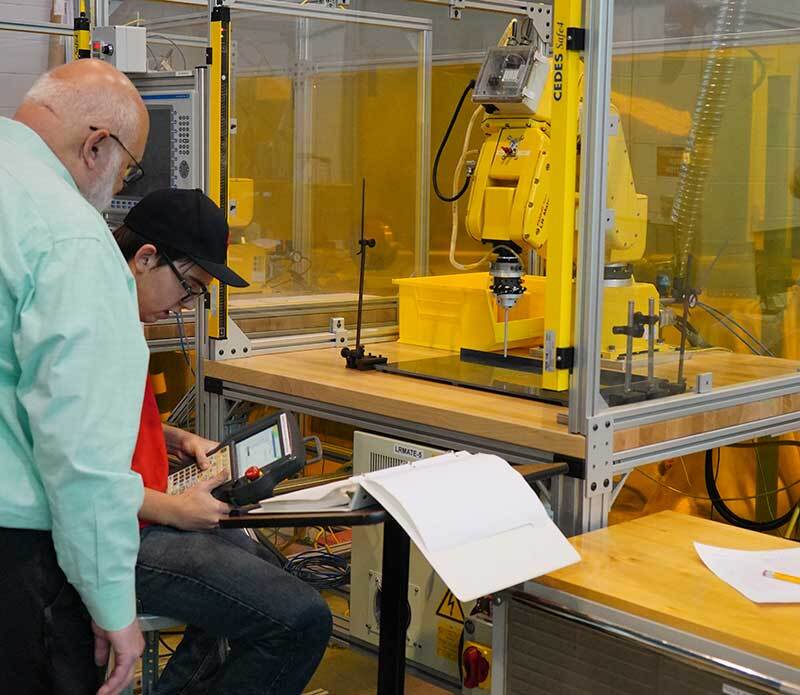
- Who trains our operators and maintenance staff?
- Will the commissioning engineers remain involved after startup?
- What response times should we expect if production stops?
Look for answers that include long-term support, such as:
- Operator training
- Maintenance training
- Preventive maintenance recommendations
- Remote diagnostics
- Spare parts planning
- Clearly defined service response expectations
The companies that become long-term partners typically invest just as much effort after startup as they do during installation.
4. “Can I speak with customers who have a similar application?”
Case studies are valuable, but direct conversations with existing customers provide an even deeper level of insight. The most meaningful references are not necessarily the largest manufacturers. They’re facilities that resemble your own operation in terms of:
- Production volume
- Product types
- Labor challenges
- Existing equipment
- Automation objectives
When speaking with a reference, consider asking:
- What surprised you during implementation?
- Was the project delivered as expected?
- How responsive has the integrator been after startup?
- Would you choose the same company again?
These conversations often reveal insights that never appear in proposals or sales presentations.
5. “What are the biggest risks you see with this project?”
Every automation project involves risk, so this may be the single most revealing question you can ask. An experienced integrator should have no hesitation discussing challenges such as:
- Product variability
- Floor space limitations
- Legacy control systems
- ERP integration and remote access
- Operator adoption
- Training needs
- Upstream process instability
More importantly, they should explain how those risks will be addressed. A thoughtful answer might sound like this:
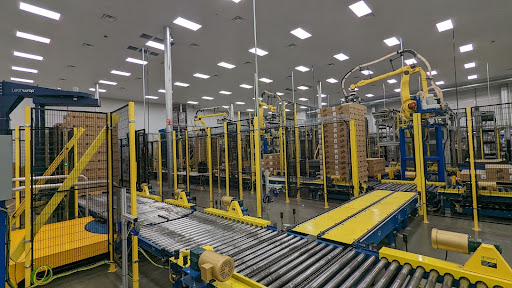
“Your palletizing application is an excellent fit for robotics. Our biggest concern is product consistency upstream. We’ll want to evaluate carton variation before the final concept proposal so the robot can maintain reliable performance.”
That response demonstrates engineering experience. An answer that claims there are no meaningful risks should raise concerns.
The Best Answers Share Common Characteristics
Regardless of the type of automation you’re considering, trustworthy integrators usually have several things in common.
They:
- Ask detailed questions before recommending equipment.
- Focus on solving production challenges rather than selling robots.
- Explain how they’ll integrate with your existing systems.
- Discuss implementation risks honestly.
- Define what happens after startup, not just before it.
- Can point to successful projects that resemble yours.
These qualities are difficult to fake because they come from practical experience.
Choose a Partner, Not Just a Vendor
Engineering managers rarely invest in automation simply because it’s new technology. They’re responding to real business pressures, including labor shortages, throughput goals, safety improvements, quality requirements, and increasing customer demand.
They’re also accountable for ensuring the investment succeeds. That makes selecting the right integration partner just as important as selecting the right robot.
Remtec believes successful robotic automation starts long before equipment arrives on the plant floor. Our approach begins with understanding your process, evaluating your existing equipment, identifying potential risks, and designing solutions that fit your operation, not forcing your operation to fit a standard package.
Whether you’re automating palletizing, machine tending, packaging, material handling, or another manufacturing process, taking the time to ask the right questions today can help you avoid costly surprises tomorrow.
If you’re evaluating automation for your facility and would like an experienced perspective on your application, contact Remtec. We’re happy to discuss your goals, answer your questions, and help you determine the right path forward.